The Night We Hosted Our First Omaha Poker Social: A Logistics Story
The Night We Hosted Our First Omaha Poker Social: A Logistics Story
The email arrived in October, subject line: “What if we actually did this?” Our club had spent months talking about hosting a proper Omaha poker night, and that message turned talk into a plan. If you have ever wondered how a casual group turns a togel 4d night into a smooth social event, the answer is logistics, not luck. This is the story of how one first-time Omaha social came together, from that first email to the last chair stacked at midnight.
The October Email That Started Everything
The sender was our most organized member, and the email contained three questions: how many players, where, and when. Within a day, the reply thread had eleven names and a rough budget. The first real decision was capacity. Omaha runs slower than Texas Hold’em because each player gets four hole cards, so we capped the night at sixteen players across two tables. That number shaped every choice that followed.
We picked a Friday three weeks out, which gave us enough time to reserve a quiet community hall without competing with weekend events. Setting a firm date early prevents the slow erosion of enthusiasm that kills most first-time socials. The hall cost a flat fee, and we split it evenly among confirmed players before anyone touched a card.
Building the Night: Supplies, Tables, and the Small Details
With the date locked, the logistics split into three tracks: equipment, food, and the flow of the evening. We assigned one person to each track so nothing fell through the cracks. That division of labor turned out to be the single best decision of the whole project.
Equipment and Table Setup
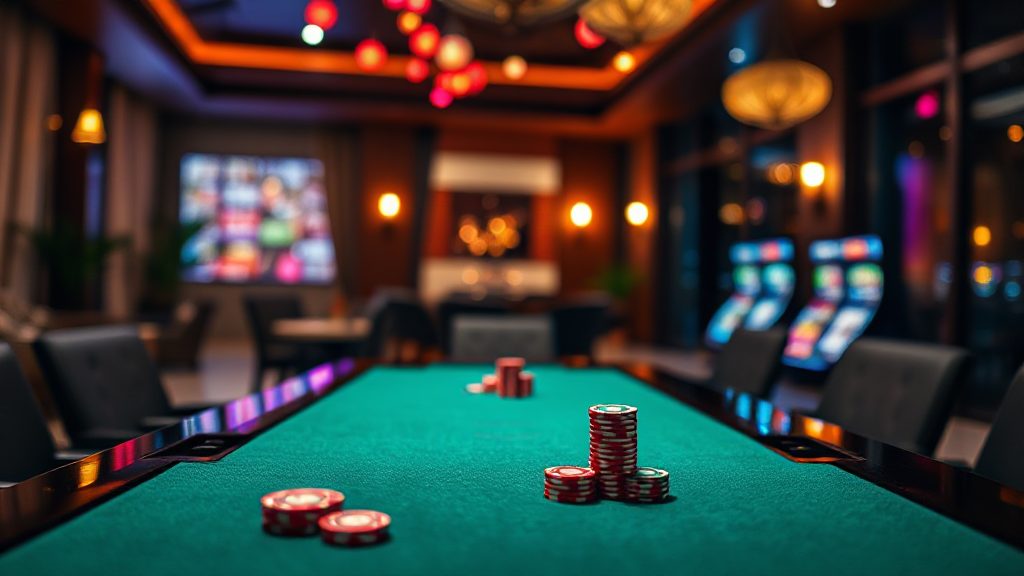
Two folding poker tables with speed cloth were borrowed from a member’s basement, and we bought two sets of clay chips so each table had its own stack. Cards were the one thing we refused to skimp on: two fresh decks per table, because worn cards slow the game and cause disputes. We also printed a one-page Omaha rules sheet for newcomers, since the four-card rule trips up Hold’em regulars.
The hall had good overhead lighting but no task lighting, so we brought two small lamps for the tables. Good light reduces misread hands and keeps the pace steady. We arranged the tables with walking space between them, which sounds trivial until sixteen people try to squeeze past each other during a break.
Food, Drink, and the Break Schedule
We kept food simple: a sandwich platter, fruit, and plenty of water and coffee. Alcohol was limited to a small BYO allowance, with a clear rule that anyone drinking would not drive. The schedule had two ten-minute breaks, one at the two-hour mark and one an hour later. Those breaks were not just for food; they gave players a chance to compare notes and kept the mood relaxed.
We also set a hard end time of 11:30 p.m. for the hall, which meant the final hand had to start by 11:00. Announcing a hard stop at the start of the night prevents the awkward scramble at closing time.
Money, Buy-ins, and House Rules
To keep the night social rather than serious, we set a single low buy-in and no re-buys after the first hour. All money was handled by one designated banker who tracked the ledger on a clipboard. We wrote the house rules on a whiteboard by the door: betting limits, the split-pot rule for hi-lo if it came up, and a zero-tolerance policy for slow play. Clear rules on the wall saved us from a dozen small arguments later.
The Night Itself: From First Shuffle to Final Cleanup
Doors opened at 6:00 p.m., and by 6:40 both tables were full. The first hour was deliberately casual, with a teaching table for the three players who had never played Omaha. That soft start set the tone: competitive but friendly, with experienced players explaining the four-card rule instead of exploiting it.
By 9:00 p.m., the room had settled into a rhythm. Chips clicked, the coffee ran low, and the whiteboard rules were consulted twice. One dispute over a misdealt card was resolved in under a minute because the rules sheet was on the table. The smoothest moments of the night were the ones we had planned for in advance.
The final table formed around 10:30, and the last hand started at 10:55, five minutes ahead of our deadline. Cleanup took twenty minutes with four people: chairs stacked, chips counted, tables folded, and the hall swept. We were out the door by 11:50, which felt like a small victory.
Looking back, the night worked because we treated it like a small event, not a big gamble. The email in October set the tone, the three supply tracks kept us organized, and the hard stop protected everyone’s energy. If your club is planning its own first Omaha social, start with the email, cap the players, and write the rules where everyone can see them. The cards will take care of the rest.